
Affordable Dental Implants in the U.S.: How Much Do They Cost and Is It Worth It at Your Age?
How much do dental implants cost in the U.S.? Are affordable dental implants reliable, and does age affect the total cost?
As dental implants become more common, many people—especially those searching for affordable dental implants—want clear answers. Costs can vary widely, and age often changes both treatment needs and financial priorities. Understanding how pricing works helps turn confusion into informed decision-making.
Dental implants in the U.S. are generally more expensive upfront, but costs vary significantly based on location, treatment complexity, and age-related factors.
Affordability depends less on finding the lowest price and more on choosing a treatment plan that balances long-term value, health needs, and financial flexibility.
Is This Relevant for You?
Dental implant costs matter most if you fall into one of these groups:
More relevant if you:
- Are missing one or more teeth
- Are comparing implants with bridges or dentures
- Are concerned about long-term dental costs
- Are on a fixed or future fixed income
Less relevant if you:
- Only need short-term cosmetic solutions
- Prefer removable tooth replacement options
- Are not medically suited for implant procedures
If implants are a realistic option, the next step is understanding why prices vary so much.
Why Dental Implant Costs in the U.S. Vary So Widely
Dental implant pricing is not standardized. Costs may differ due to:
- Geographic location and regional cost of living
- Experience and specialization of the dental provider
- Implant system and materials used
- Complexity of the surgical procedure
- Additional treatments required before implantation
Because dental implants involve multiple medical and restorative stages, the total cost reflects more than just the implant itself.
What Is Actually Included in Dental Implant Costs?
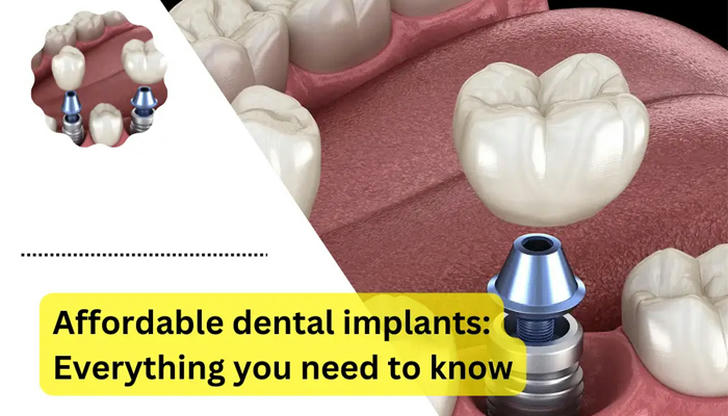
When evaluating affordability, it’s important to look beyond the headline price. Treatment commonly includes:
- Initial consultation and diagnostic imaging
- Surgical placement of the implant
- Implant materials (often titanium-based)
- Healing and bone integration period
- Final crown or restoration
- Follow-up visits and monitoring
Understanding these components helps explain why prices vary and why “cheap” implants can sometimes be misleading.
Cost of Dental Implants by Age Group (High-Intent Section)
Ages 20–39: Long-Term Value Over Short-Term Cost
Younger adults often seek implants due to injury or early tooth loss. For this group:
- Longevity is a major priority
- Early intervention may prevent future complications
- Higher upfront cost is often viewed as a long-term investment
At this stage, implants are often chosen for durability rather than immediate affordability.
Ages 40–54: Balancing Function, Appearance, and Cost
This group frequently evaluates implants based on both aesthetics and function.
Key considerations include:
- Single versus multiple implants
- Possible additional procedures due to bone changes
- Planning for long-term maintenance
Dental implants here are often assessed as both a health and lifestyle decision.
Ages 55–64: Pre-Retirement Planning
As retirement approaches, cost discussions become more strategic:
- Emphasis on long-lasting solutions
- Consideration of overall medical and dental history
- Desire to minimize future dental procedures
Affordability is often measured by stability and reduced long-term care needs.
Ages 65 and Older: Fixed Income and Health Factors
For older adults:
- Fixed income plays a major role
- Medical conditions may influence treatment plans
- Long-term comfort and reliability become priorities
Dental implants are often compared with alternatives based on value over time rather than initial price.
Dental Implants vs Other Tooth Replacement Options
| Option | Upfront Cost | Longevity | Ongoing Maintenance |
|---|---|---|---|
| Dental Implants | Higher | Long-term | Lower |
| Dental Bridges | Moderate | Medium-term | Moderate |
| Dentures | Lower | Shorter-term | Higher |
This comparison explains why many patients continue researching implants despite higher initial costs.
Insurance, Financing, and Payment Considerations
Affordability is also influenced by how treatment is paid for:
- Dental insurance may offer partial coverage or exclusions
- Out-of-pocket costs vary widely
- Many providers offer structured payment plans
- Medical financing options can spread costs over time
These factors often shape whether dental implants feel financially manageable.
FAQ Section (RSOC Search Capture)
Why are dental implants more expensive in the U.S.?
Costs reflect advanced materials, medical expertise, regulations, and multi-stage treatment.
Are affordable dental implants reliable?
Affordability depends on treatment planning, not just price.
Does age affect dental implant cost?
Age can influence treatment complexity, which may impact cost.
How long do dental implants last?
With proper care, they are designed for long-term use.
Final Action Path: What to Explore Next
If you’re researching affordable dental implants, your next useful searches may include:
- Average dental implant cost in the U.S.
- Dental implants vs dentures cost comparison
- Dental implant financing options
- Are dental implants worth it by age
- Dental implant insurance coverage
Understanding dental implant costs through an age-based lens helps turn pricing concerns into confident, informed choices.