
Government-Supported CDL Training Explodes—3–6 Weeks to a High-Pay Driving Career!
Every year, 78,000 driving jobs open across the U.S., and federal/state programs are now covering most CDL training costs. Thousands of beginners are finishing CDL courses in just a few weeks and landing jobs that pay over $60K–$100K a year—some even receive sign-on bonuses up to $15,000. Here’s how government-backed CDL training is helping new drivers fast-track their careers in 2025.
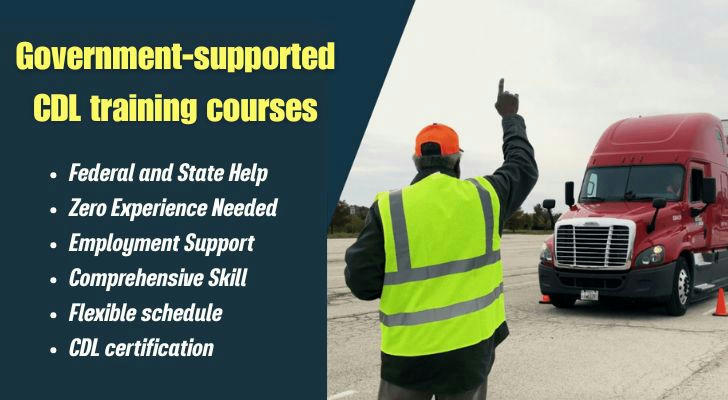
1. Why More People Are Choosing CDL Training
🔹 Strong Federal & State Support
Programs such as the Workforce Innovation and Opportunity Act (WIOA) offer substantial financial assistance to eligible learners. In some states, the majority of training costs can be covered, helping students complete CDL requirements more smoothly.
Case Study 1 | Texas Learner (Age 27) After being assessed at a local workforce center, this learner received training assistance and completed CDL-A preparation in just six weeks. The current trucking job pays roughly 40% higher than the previous warehouse position.
🔹 Nationally Recognized Certification
All government-supported courses follow FMCSA standards, meaning employers across the U.S. recognize the training and license.
🔹 Beginner-Friendly Enrollment
Most programs are designed for new drivers. No trucking background is required, and applicants do not need prior experience with large vehicles.
🔹 Career Support After Training
Workforce centers commonly provide job-readiness coaching, resume assistance, and employer connections, helping graduates enter the job market quickly.
Case Study 2 | Career Shifter in Illinois Previously working in retail, this learner had zero trucking experience. With the school’s job placement support, two job offers were received within the first week after completing training. The learner is now employed as a local delivery driver.
2. How Long Does CDL Training Take?
Government-supported program timelines:
Full-time: 3–6 weeks
Night / Weekend (part-time): 6–12 weeks — ideal for working adults
Hybrid formats available: ✔ In-person driving practice
✔ Online theory modules
✔ Blended learning
3. Benefits After Completing CDL Training
✅ Earn Your Commercial Driver’s License
After completing the program and passing the exam, graduates receive a CDL valid nationwide.
✅ Expanded Job Opportunities
The logistics sector is experiencing consistent driver shortages, giving CDL holders access to a broad range of openings.
✅ Higher Earning Potential
Typical annual salaries include:
| Job Title | Average Annual Salary |
|---|---|
| No-Experience Local Driver | $63,020 |
| Heavy & Tractor-Trailer Driver | $57,440 |
| Team Driver | $119,464 |
| Tanker Driver | $90,881 |
| CDL Driver (General) | $78,621 |
Case Study 3 | Night-Class Learner, Single Parent Due to daytime childcare responsibilities, this learner enrolled in a weekend/night CDL program. After obtaining a CDL-B license, the learner became a school bus driver with an annual income of approximately $67,000, plus stable scheduling and benefits.
4. Advancing After CDL Training
Learners who want more hands-on practice can continue into:
- Employer-sponsored paid CDL training
- Apprenticeships with trucking companies
- Regional and long-haul driving pathways
Many students start with a government-supported course, obtain a CDL learner’s permit, then move on to company-sponsored training for advanced driving experience.
Case Study 4 | Ohio Learner Entering Paid Training After completing the government-supported fundamentals course, this learner joined a company-sponsored program and secured a full CDL-A license. A hiring bonus was offered upon signing.
5. What Skills Are Taught in Government-Designed CDL Curricula?
Learners master:
- Traffic Laws & Safety — federal/state rules, defensive driving
- Vehicle Operation — starting, stopping, backing, wide turns
- Driving Control Techniques — handling different road/weather conditions
- Cargo Loading & Securing
- Inspection & Maintenance — daily checks, basic troubleshooting
- Emergency Response
- Professional Conduct & Logbook Management
6. CDL License Types Covered by Government-Supported Programs
- Class A: Tractor-trailers and heavy combinations (Average salary: $77,316)
- Class B: Delivery trucks, school buses, dump trucks (Average salary: $67,608)
- Class C: Passenger transport or hazardous materials (requires endorsements)
🔹 Hazmat endorsement can boost earnings by about 15%, with over 200,000 related job openings projected by 2025.
7. Five Steps to Start Your CDL Career 🚀
1️⃣ Check eligibility for federal or state assistance
2️⃣ Select a government-supported CDL school
3️⃣ Submit your application and required documents
4️⃣ Complete assessments or interviews
5️⃣ Enroll and begin training
8. Basic Eligibility Requirements
- Ages 18–21 (depends on intrastate vs. interstate)
- Valid driver’s license & clean record
- Medical and drug screening
- Legal work authorization
- Background check (varies by state)
Trucking Outlook for 2025
The trucking industry is projected to reach $1.1 trillion, with strong demand for CDL drivers nationwide. Some employers offer sign-on bonuses that can reach up to $15,000.
Fast CDL training/ Weeks to qualify/ Stable careers grow/ Drivers in demand/ Begin today