
1 in 5 U.S. Adults Will Experience Depression—Here’s How to Recognize It, Test for It, and Get Help
You’re not lazy. You’re not weak. You might just be depressed—and that’s more common than you think.
According to the National Institute of Mental Health (NIMH), nearly 21% of U.S. adults—over 53 million people—will have at least one major depressive episode in their lifetime. And in 2024, young adults aged 18–25 reported the highest rates of depression at 25.3%.
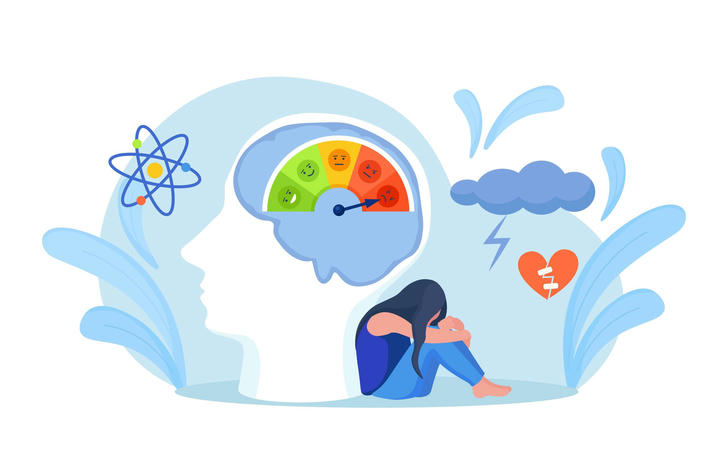
Who’s Most Affected? The Face of Depression in America
Depression doesn’t discriminate—but certain groups face higher risks due to biology, social pressures, or systemic barriers.
By Age
- Young adults (18–25): Highest prevalence (25.3%)—linked to academic stress, financial instability, and identity formation.
- Middle-aged adults (45–64): Often overwhelmed by caregiving (for kids and aging parents), career pressure, and health changes.
- Older adults (65+): Frequently underdiagnosed; symptoms may appear as fatigue or memory complaints rather than sadness.
By Gender
- Women are nearly twice as likely as men to experience depression (26% vs. 14%).
Why? Hormonal shifts (postpartum, menopause), higher rates of trauma, and greater willingness to seek help all play a role. - Men often show depression through irritability, anger, substance use, or reckless behavior—making it harder to recognize.
By Occupation & Identity
- High-risk jobs: Healthcare workers, teachers, first responders, gig economy drivers, and creative professionals (due to instability and emotional labor).
- Marginalized groups: LGBTQ+ individuals are 2–3 times more likely to experience depression due to discrimination and minority stress. Low-income and rural communities also face significant care gaps.
💡 If you’ve been feeling “off” for weeks—and it’s affecting your work, relationships, or self-worth—you’re not alone. And it’s not your fault.
It’s More Than “Feeling Down”: Real Symptoms of Clinical Depression
The DSM-5 (the U.S. diagnostic manual for mental health) defines Major Depressive Disorder (MDD) by the presence of five or more symptoms for at least two weeks, including either (1) depressed mood or (2) loss of interest/pleasure.
Common signs include:
- Persistent sadness, emptiness, or hopelessness
- Loss of interest in hobbies, socializing, or sex
- Significant weight loss/gain or appetite changes
- Insomnia or oversleeping
- Fatigue or “heaviness” in your body
- Trouble concentrating, remembering, or making decisions
- Feelings of worthlessness or excessive guilt
- Thoughts of death or suicide (even passive ones like “I’d be better off gone”)
⚠️ Don’t ignore “atypical” signs:
- Irritability (especially in teens and men)
- Unexplained aches (headaches, stomach issues)
- “High-functioning depression”: You look fine on the outside—but feel empty, exhausted, or numb inside.
Why It Matters
Untreated depression can lead to:
- Job loss or academic failure
- Strained relationships
- Higher risk of heart disease, diabetes, and substance use
- Suicide is the 2nd leading cause of death among Americans aged 10–34 (CDC, 2024).
Depression Is Treatable—Here’s What Works in the U.S.
You don’t have to “tough it out.” Effective, evidence-based options are widely available:
1. Therapy (Talk Therapy)
- Cognitive Behavioral Therapy (CBT): Gold standard—helps reframe negative thought patterns. Covered by most insurance plans.
- Interpersonal Therapy (IPT): Focuses on relationships and life transitions.
- Online therapy: Platforms like BetterHelp or Talkspace offer flexible access.
2. Medication
- SSRIs (e.g., sertraline/Zoloft, fluoxetine/Prozac) are first-line treatments—generally safe with manageable side effects.
- Prescribed by primary care doctors or psychiatrists; requires follow-up.
3. Lifestyle & Support
- Exercise: Just 30 minutes of brisk walking 5x/week = mild antidepressant effect.
- Sleep hygiene & nutrition: Stabilize your body, stabilize your mood.
- Social connection: Isolation worsens depression—reach out, even when it’s hard.
4. In a Crisis? Help Is Immediate
- Call or text 988 → Connects you to the 988 Suicide & Crisis Lifeline (24/7, confidential).
- For emergencies: Dial 911 or go to your nearest ER.
✅ Remember: Seeking help isn’t weakness—it’s one of the bravest things you can do.
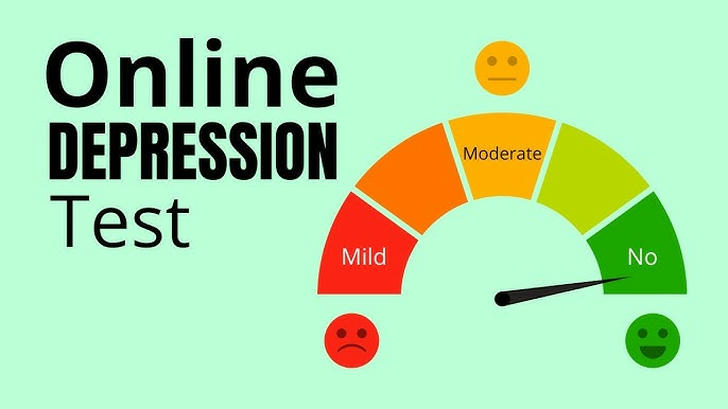
Take the PHQ-9: The Depression Screening Tool Used by U.S. Doctors
Before you see a provider, you can self-screen using the PHQ-9—the most widely used depression assessment in American primary care. Developed by researchers at Columbia University and Kaiser Permanente, it’s recommended by the CDC, AMA, and Medicare.
PHQ-9 Self-Test
Over the last 2 weeks, how often have you been bothered by…?
| Symptom | Not at all (0) | Several days (1) | More than half the days (2) | Nearly every day (3) |
|---|---|---|---|---|
| 1. Little interest or pleasure in doing things | ○ | ○ | ○ | ○ |
| 2. Feeling down, depressed, or hopeless | ○ | ○ | ○ | ○ |
| 3. Trouble falling/staying asleep, or sleeping too much | ○ | ○ | ○ | ○ |
| 4. Feeling tired or having little energy | ○ | ○ | ○ | ○ |
| 5. Poor appetite or overeating | ○ | ○ | ○ | ○ |
| 6. Feeling bad about yourself—or that you’re a failure | ○ | ○ | ○ | ○ |
| 7. Trouble concentrating (e.g., reading, watching TV) | ○ | ○ | ○ | ○ |
| 8. Moving or speaking so slowly that others notice? Or opposite—being fidgety/restless? | ○ | ○ | ○ | ○ |
| 9. Thoughts that you’d be better off dead or of hurting yourself | ○ | ○ | ○ | ○ |
Add up your score:
- 0–4: Minimal depression
- 5–9: Mild depression → Monitor symptoms; consider lifestyle changes
- 10–14: Moderate depression → Talk to your doctor or therapist
- 15–19: Moderately severe
- 20–27: Severe depression → Seek professional help immediately
⚠️ Important: The PHQ-9 is a screening tool—not a diagnosis. But it’s a powerful first step toward healing.
Your Next Step: Care for Yourself Like You Would a Friend
If this resonates with you—or someone you love—please don’t wait. Depression lies to you: it tells you you’re alone, that nothing helps, that you don’t deserve support. None of that is true.
✅ Do this now:
- Take the PHQ-9 above
- Save 988 in your phone
- Talk to your primary care provider—they screen for depression routinely
- Share this article with someone who says, “I’m fine,” but hasn’t seemed like themselves lately
You matter. Your pain is valid. And help works.
Sources: National Institute of Mental Health (NIMH), CDC, American Psychiatric Association (DSM-5), Substance Abuse and Mental Health Services Administration (SAMHSA)