
2026 Paid Hairdressing Training Programs in the U.S.
Learn While You Earn | Paid Training Model | State-Aligned Licensing Path
If you are searching for a legitimate paid hairdressing training program in the United States, this model allows participants to earn income while completing licensed cosmetology training. Instead of enrolling in traditional beauty schools with substantial tuition obligations, participants are hired by approved salons and receive hands-on training aligned with state licensing requirements.
This pathway is increasingly recognized as a regulated and practical entry into the beauty industry.
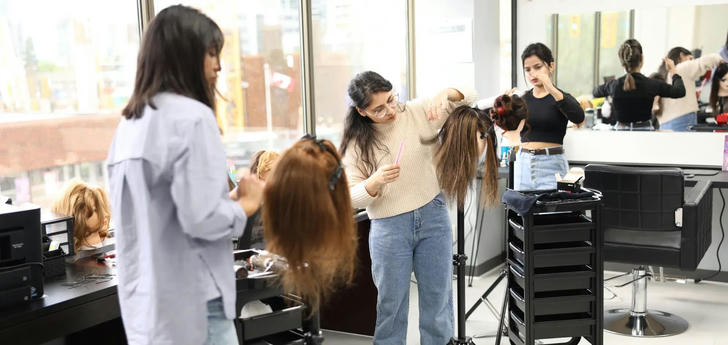
Quick Program Overview
- Training Type: Paid Hairdressing / Salon Apprenticeship
- Location: United States
- Payment During Training: Hourly wages paid by participating salons
- Tuition Structure: Employer-based training model
- Training Format: On-the-job, real salon environment
- Licensing Alignment: State cosmetology board requirements
- Career Outcome: Licensed hair professional eligibility
How Paid Hairdressing Training Works
Paid hairdressing programs operate through approved salons and structured apprenticeship systems. Participants are employed while completing supervised training hours required by state licensing boards.
Typical structure includes:
💼 Employment at a licensed salon
✂️ Hands-on training with professional stylists
📚 Classroom or online theory components (varies by state)
🕒 Completion of required training hours
📜 Eligibility to take state licensing exams
This model allows trainees to gain real experience while earning income.
Key Benefits Compared to Traditional Beauty Schools
💰 Income earned during training instead of full-time tuition payments
🎓 Reduced reliance on education loans
🧰 Real-world salon experience from day one
📈 Earlier entry into the workforce
📜 Training aligned with licensing standards
🤝 Direct networking and job placement opportunities
Many participants continue working at the same salon after licensing.
Who Is a Good Fit for This Path?
This program may be suitable for:
- Individuals seeking a licensed beauty career
- Career changers needing income during training
- High school graduates or GED holders
- Adults who prefer hands-on learning
- Those aiming to limit education-related debt
Basic customer service skills and physical stamina are typically required.
Licensing and Regulation Considerations
Hairdressing licensing requirements vary by state. Most programs must comply with:
✔ State cosmetology board training hour requirements
✔ Approved apprenticeship or salon sponsorship
✔ Practical skill assessments
✔ Written licensing examinations
Applicants should always verify licensing eligibility with their state board.
Potential Career Outcomes After Completion
Graduates may qualify for roles such as:
💇 Hair Stylist
🎨 Color Specialist
✂️ Barber (depending on state licensing)
🏪 Salon Technician
🌟 Independent Contractor or Booth Renter
The average Hairdresser in United States of America is $36,075 per year or $18.26 per hour. Entry-level positions start at $33,150 per year, while most experienced workers make up to $42,900 per year.
Important Things to Verify Before Applying
Before enrolling, confirm:
✔ Salon approval status with state regulators
✔ Wage structure and training schedule
✔ Required training hours and exam eligibility
✔ Tools, uniforms, and insurance requirements
✔ Local labor regulations
Program terms may vary by employer and state.
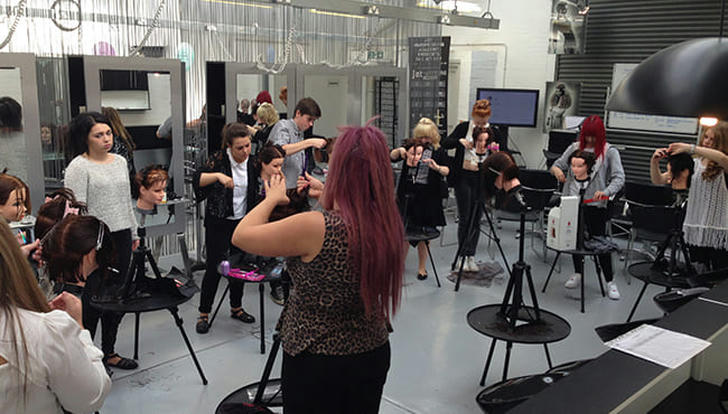
Frequently Asked Questions (FAQ)
Is this a real alternative to beauty school?
Yes. Many states recognize salon-based apprenticeships as valid training paths.
Do participants get paid during training?
Most programs provide hourly wages as part of employment.
Is prior experience required?
No. Many programs accept beginners.
How long does training take?
Duration depends on state-required training hours and weekly schedules.
Will licensing be granted after completion?
Graduates become eligible to take state licensing exams once all requirements are met.
Are these programs available nationwide?
Availability depends on state regulations and local salon participation.
This content is for informational purposes only. Licensing rules, wages, and availability vary by state and employer. Always confirm details with official regulatory agencies and participating salons.