
Don’t Miss Out: How LIHEAP and WAP Can Help You Save on Energy Bills and Stay Comfortable
✨You deserve to stay warm. Apply for aid to get through the holidays.✨
❄️ January 2024. Wind chill: −22°F.
The furnace coughed its last breath on New Year’s Eve.
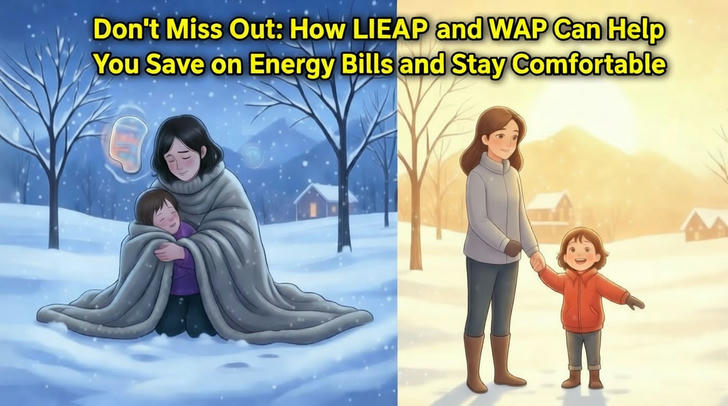
By Day 9, Maria slept in her coat on the couch, rotating her 6-year-old’s asthma nebulizer between car battery charges—“Just five more minutes, mija, the heater’s coming…”
The shutoff notice fluttered under duct tape on the front door.
That night, by phone light at the public library (the only place with heat), she whispered into the LIHEAP hotline:
“I have $3.87. My daughter can’t breathe. I need help.”
Three weeks later—new furnace, sealed windows, a bill lower than last winter. The same this year.
Facing rising energy bills or the threat of utility disconnections can be overwhelming. Fortunately, two federally funded programs—LIHEAP and WAP—offer essential support to help households manage energy costs, stay safe year-round, and make home improvements for long-term savings. This guide will walk you through eligibility, application, and handling energy emergencies with confidence.
🔍 Understanding LIHEAP: Assistance for Heating, Cooling, and Energy Emergencies
The Low Income Home Energy Assistance Program (LIHEAP) is designed to support families struggling with high energy costs, preventing unsafe heating or cooling conditions. LIHEAP offers:
- 💡 Financial aid toward heating and cooling bills
- ⚠️ Help with emergencies like utility shutoffs
- 🛠️ Coverage for minor home repairs related to energy use
This support can be life-changing—especially during extreme weather—reducing health and safety risks and helping families avoid tough trade-offs between staying warm and meeting other basic needs. Additionally, LIHEAP funds may be used for home energy efficiency upgrades like repairing or replacing heaters or air conditioners.
✅ How to Check Your Eligibility and Apply for LIHEAP Support
Eligibility criteria generally depend on your household income and may differ by state or territory. Typically:
- Your income must be below a certain threshold
- Participation in federal aid programs may qualify you automatically
Application Steps:
- Answer a few questions about your household and income
- Contact your local LIHEAP office or apply online (if available)
- Prepare required documents: proof of income, recent utility bills, identification
⚠️ Note: Some states require in-person applications, so checking local requirements is essential.
🏡 Weatherization Assistance Program (WAP): Save Energy Through Home Improvements
The Weatherization Assistance Program (WAP) complements LIHEAP by focusing on long-term energy savings through home upgrades, such as:
- Adding insulation
- Sealing air leaks
- Upgrading heating and cooling systems
These improvements maintain comfortable indoor temperatures year-round and reduce energy bills.
Eligibility:
- Based on income or
- Participation in programs like TANF or SSI
To apply, contact your state’s WAP office for guidance and details on available services.
📢 What to Do If Your Utilities Are Disconnected: State Policies and Contacts
Utility disconnections can happen unexpectedly and at inconvenient times. Each state has its own rules regarding shutoffs, often considering:
- Weather conditions
- Presence of children or elderly residents
- Disabilities
- Time of year
Important Actions:
- Learn your state’s disconnection policies promptly
- Contact your utility provider immediately to discuss restoring service
- Reach out to local LIHEAP or WAP offices for resources and emergency assistance
Many states provide extra protections for vulnerable households during extreme weather; knowing your rights can make a critical difference.
⚠️ Avoiding Scams and Finding Reliable LIHEAP Resources and Support
Unfortunately, scams targeting energy assistance seekers are on the rise. Keep in mind:
- LIHEAP does not offer direct grants to individuals
- There are no fees for applying or receiving services
If you receive offers promising quick money or requests for payment, be cautious—they are likely fraudulent.
Safety Tips:
- Use only official state or federal websites and contacts for applications
- Never share personal or financial information with unverified sources
- Report suspicious activity to the U.S. Department of Health and Human Services Fraud Hotline
Always turn to official LIHEAP and WAP offices for trustworthy information and support.
By understanding and utilizing LIHEAP and WAP, households can reduce energy burdens, lower bills, and create safer, more comfortable living environments. Whether facing immediate crises or planning for future savings, these programs offer valuable resources to help you thrive in every season.